


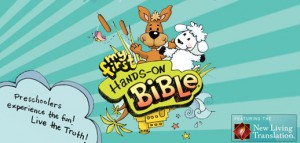
The Main Idea: Though titled for preschoolers, My First Hands-On Bible is, actually, a great Bible Story teaching resource for families with young kids. It contains 85 stories, in the New Living Translation, canvassing the Old and New Testaments–along with illustrations, simple in-story interest grabbing activities, optional added crafts or reinforcing activities, and application questions. The Good: This is a simple and easy to use tool that can go a [&hellip
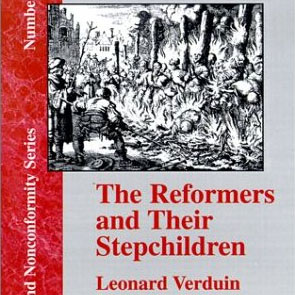
The Good: The Reformers and Their Stepchildren is interesting and accessible, and will engage the average reader with an admiration for the tenacity and devotion to doctrinal truth of both early rebels and later radicals that opposed the secularization and corruption of the church. The Bad: The broad brush of history Verduin paints with tends to gloss over any weaknesses in doctrine or practice of the schismatics and leaves the [&hellip
As the American culture continues to become more and more secular in its views, growing numbers of couples are accepting and practicing the worldly wisdom of living together before marriage (34). Pastors of the local church are faced with the difficult challenge of balancing the clear standards of the Word of God with pressure from couples, and often from within their church, to “gloss over” the couple’s cohabitation and move [&hellip
The Main Idea: Simple Church presents and defends the premise that churches should establish a simple process for maturing believers and model every aspect of their ministries after that process. The Good: A solid book that gives good insight and practical ideas for streamlining a church to have the greatest effect on lives for Christ. The Bad: Research-based books are always dangerous in that they can take bits and pieces [&hellip

The Main Idea: The ministries of the church must partner with and equip families for discipleship within the family. Here are clearly defined and simple principles and processes, called Legacy Milestones, that Bryan Haynes implemented in his home and church to accomplish that goal. The Good: This book is concise, clear, thorough, and practical in laying out a strategy for the church to equip and encourage parents for family ministry. [&hellip

Check out this website: Splink. Main Idea: From the D6 ministry resource team comes Splink – not simply a website but actually a weekly resource for families to use in creatively teaching their kids. The Good: A quick and easy-to-use resource for parents to creatively teach basic Biblical principles to their kids. I like that it gives ideas that are simple and quick to prepare There are participants to when [&hellip
Fitzpatrick, Elyse, Jim Newheiser, and Laura Hendrickson. When Good Kids Make Bad Choices. Eugene, OR.: Harvest House Publishers, 2005. 255 pp. $12.99. When Good Kids Make Bad Choices, authored by biblical counselors Elyse Fitzpatrick and Jim Newheiser in partnership with counselor, former medical doctor, and psychiatrist Dr. Laura Hendrickson, is a remarkably clear and practical text for parents struggling to cope with rebellious teens. In fact, though it is targeted [&hellip
McManus, Erwin Raphael. An Unstoppable Force: Daring to Become the Church God Had In Mind. Loveland, CO: Group Publishing, 2001. Erwin McManus is the Lead Pastor of Mosaic, a growing and innovating church in Los Angeles. When he came as Pastor to the church, it was known as “The Church on Brady” and, while it had been growing for a time, it had plateaued and begun to decline (6). In [&hellip
Thom Rainer’s Breakout Churches is the result of an extended research study into churches that have experienced significant and extended evangelistic growth after a period of plateau or decline. After surveying, contacting, gathering information, and comparing, Rainer examined 50,000 churches for the book (13-14). His selection process required that churches retain the same pastor through both the decline and the growth, that they have had at least 26 conversions annually [&hellip
The Main Idea: In Think Orange, Joiner makes the case for churches and families to join together to lead their children spiritually, then continues in the text to give various methodologies and strategies for forming an “Orange” merger of the church with the family for a more powerful ministry to kids (10-11). The Good: This book headlines the current drive in churches to prioritize encouraging and equipping families for ministry. [&hellip